Enterprise Ransomware Protection
Defend your IT infrastructure against ransomware that is evolving to exploit security blind spots.

TRUSTED BY LEADING ENTERPRISES





Defend your IT infrastructure against ransomware that is evolving to exploit security blind spots.
Ransomware Is Evolving to Target Security Blind Spots
of ransomware attacks involved a compromised VPN or Firewall.
Coalition Cyber Insurance Report
higher likelihood of falling victim to a ransomware attack if the organization is using Cisco or Citrix VPNs.
At Bay Cyberinsurance
of ransomware attacks used exploitation of a vulnerability for initial access, equaling Stolen Credentials as an access vector.
Mandiant mTrends Report, 2025
Ransomware actors have found the perfect entry-point into victim environments, with undermonitored and vulnerable VPNs and firewalls present in countless enterprises worldwide. But targeting the network edge is not the only innovation in ransomware. Since 2020, ransomware actors have been gradually developing and implementing UEFI targeting, firmware-level capabilities to evade detection and persist inside an environment until they can strike again.
Since at least 2016, nation state actors have developed firmware-level exploits. The TrickBot ransomware first introduced firmware level reconnaissance capabilities, dubbed TrickBoot, in 2020. Then, in 2025, the first commercial-grade proof-of-concept ransomware to exploit UEFI was disclosed under the moniker HybridPetya. Learn more about HybridPetya, the First Firmware-Native Ransomware


Network appliances don’t support endpoint detection agents, creating permanent visibility gaps that ransomware operators exploit. Eclypsium brings EDR-like detection and response capabilities to network infrastructure by monitoring firmware and OS binaries, configuration files, and system integrity across devices from major enterprise providers like Cisco, Fortinet, F5, Juniper, NetScaler, Palo Alto, and SonicWall.
Eclypsium also looks at firmware and UEFI, going below the OS on endpoints to catch ransomware attempting to achieve persistence and evade detection. Using a database of over 12 million known-good firmware hashes across 23+ hardware vendors, Eclypsium identifies compromise indicators that persist even after patching and reboots—the exact techniques used by Akira, LockBit, and FIN8 in recent campaigns.
Monitor VPNs, firewalls, load balancers, routers and switches for indicators of compromise including reverse shells, persistence modules, and modified configuration files—the techniques ransomware groups use to maintain access.
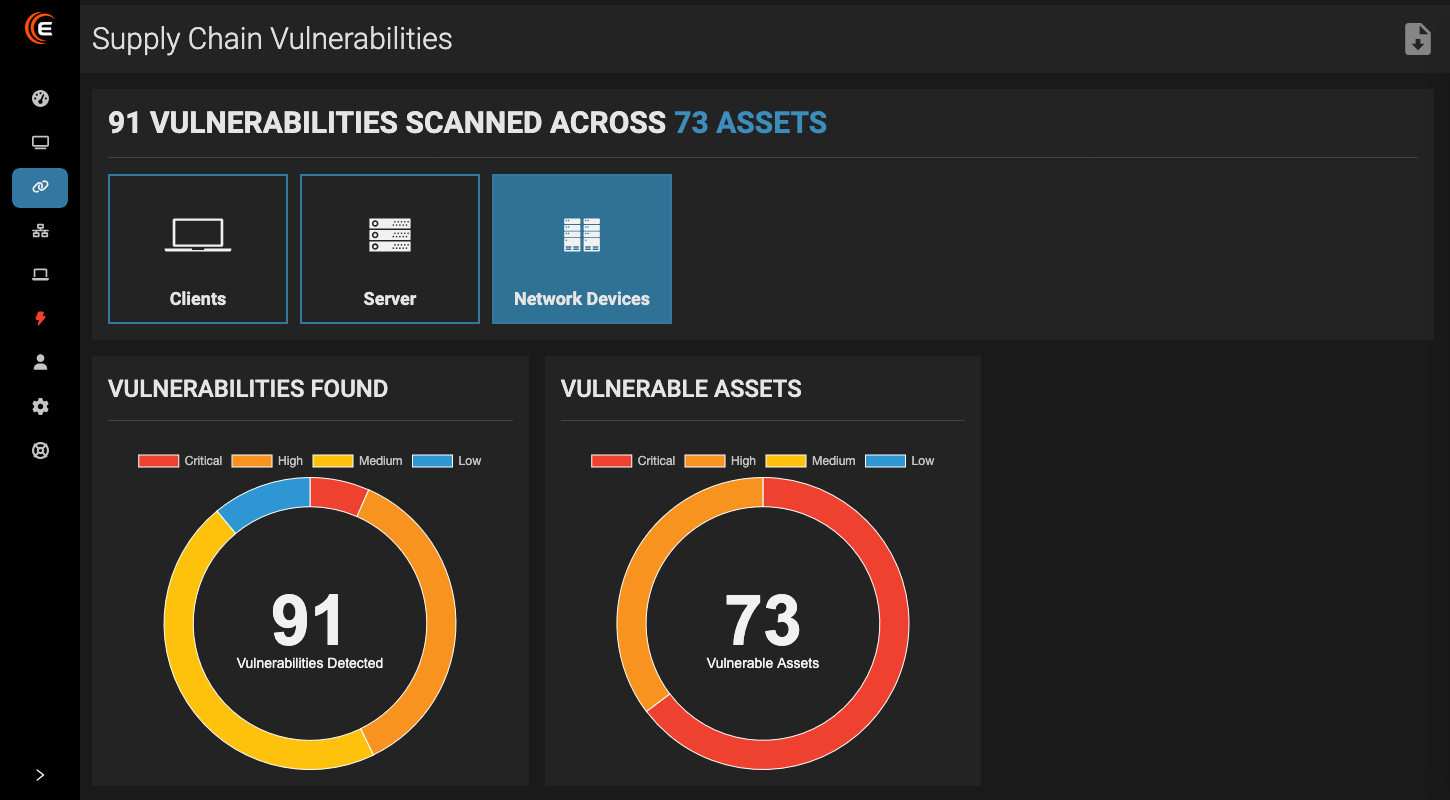
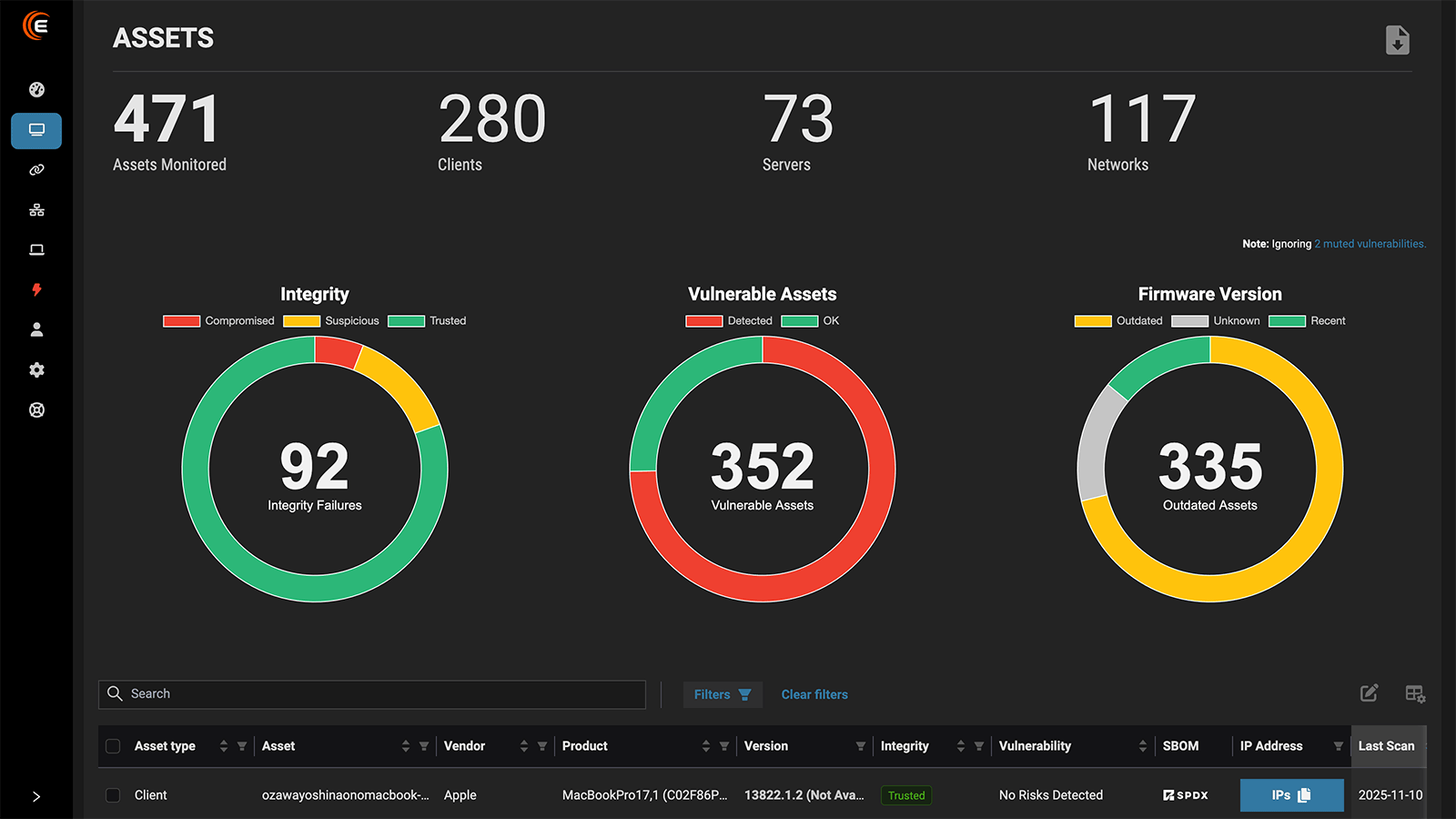
Detect changes to firmware and OS binaries that signal active compromise. Unlike vulnerability scanners, Eclypsium identifies threats that persist across patches and reboots. Eclypsium focuses on where ransomware is headed next: UEFI and firmware level compromise on endpoints.
Identify vulnerable firmware versions across your endpoints, servers, and network infrastructure and deploy updates through the Eclypsium console. Close the gap between vulnerability disclosure and exploitation that ransomware groups now measure in days.

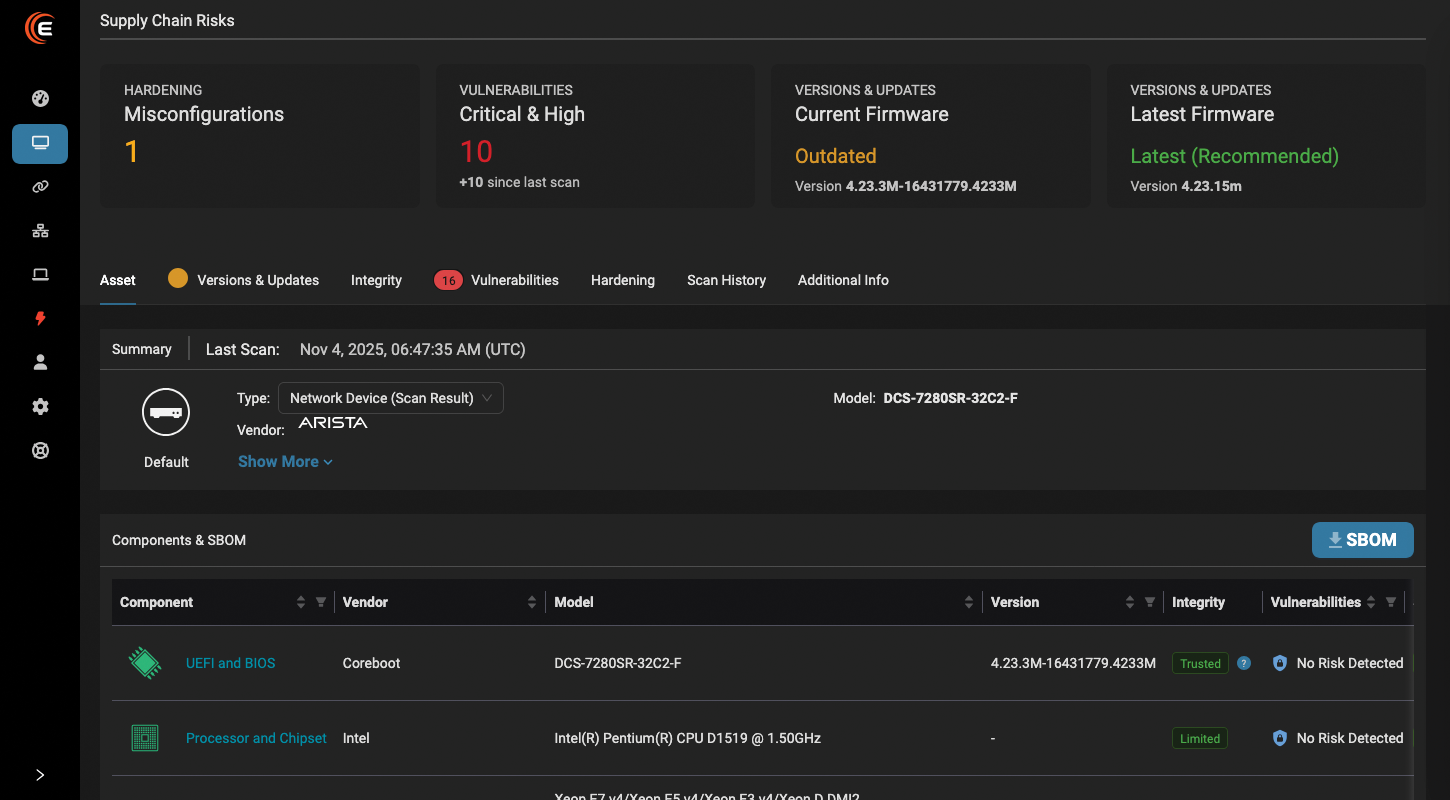
Generate SBOMs for endpoints, servers, and network devices down to the firmware and component level. Compare installed firmware against vendor baselines. Detect tampering, backdoors, and implants that may have been introduced before devices reached your environment.
We are at a turning point in the technology lifecycle of ransomware. The last generation of defenses, from EDR to firewalls to anti-phishing training, has delivered the value it can. These defenses should remain in place, but defenders who turn their attention to the future of ransomware will be more resilient when the next wave hits.
Eclypsium helps defend against the future of ransomware by protecting:
Network devices that are increasingly the first point of entry for ransomware attacks
Endpoint firmware, below the operating system, where ransomware attackers can evade EDR detection and maintain persistent access even after a total reboot.
Hidden components inside IT infrastructure that are often outdated and vulnerable, but aren’t monitored by traditional Vulnerability Management or EDR.
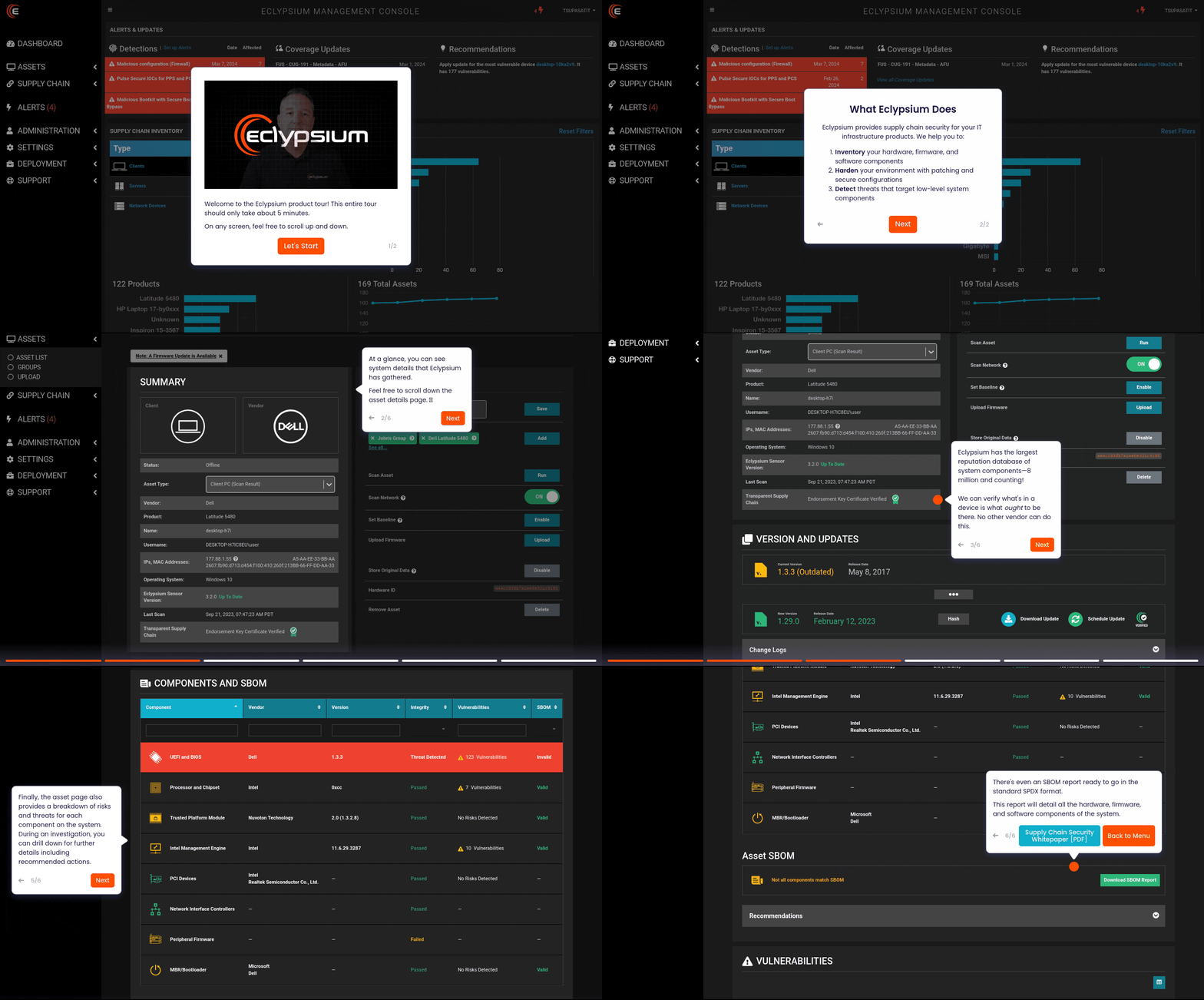
To learn more about how Eclypsium defends the hidden attack surface, take our self-guided product tour, or request a live demo.