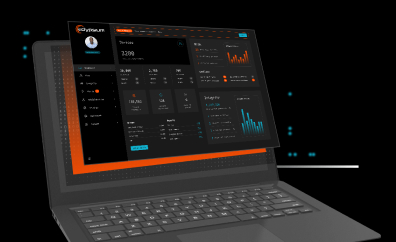
Enterprise IT Infrastructure Security
Servers, firewalls, VPNs, switches and connected devices run on firmware and embedded software that most security tools cannot inspect. Attackers increasingly go after them first.
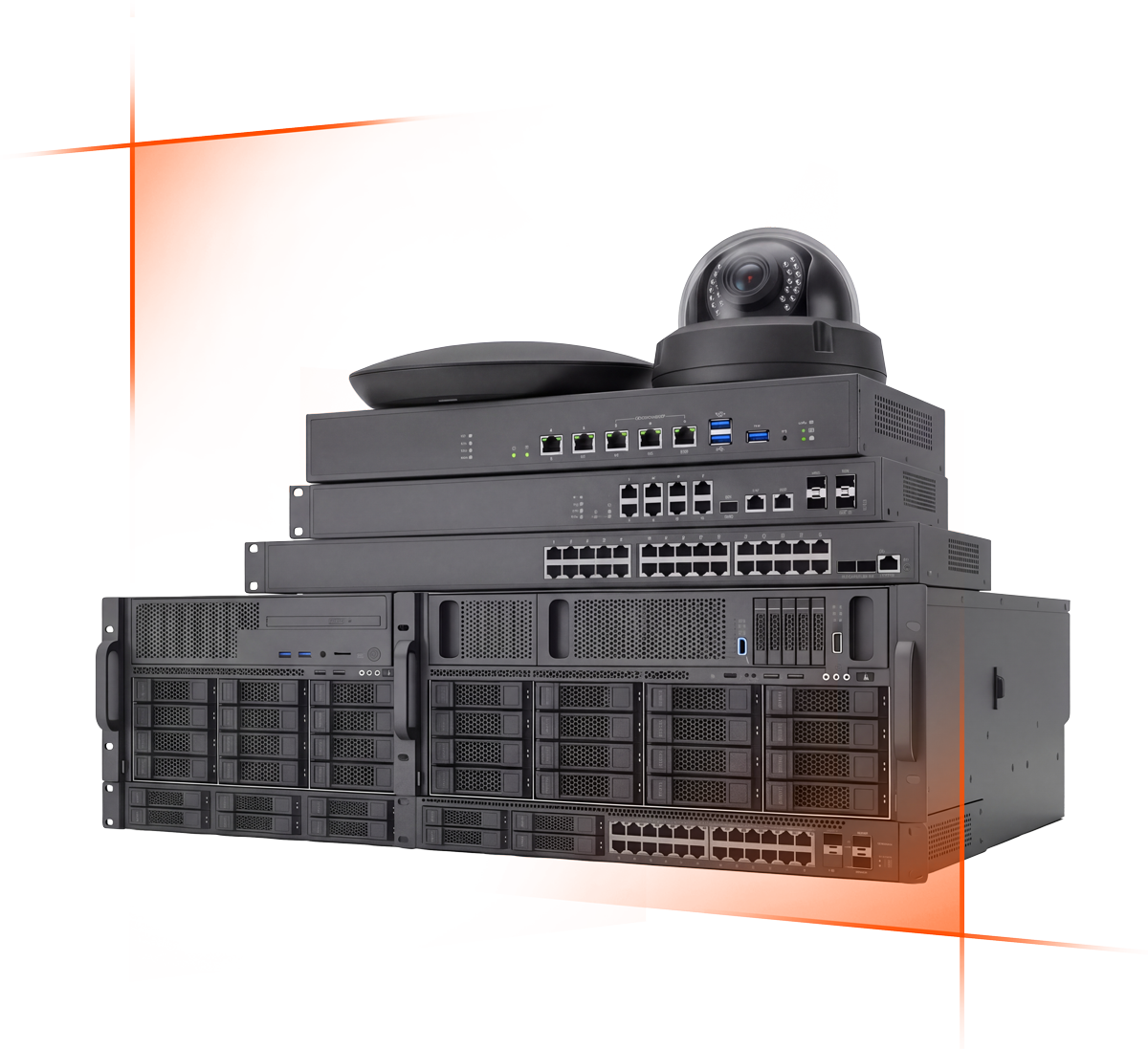
Most security programs are built around users, endpoints and cloud workloads. The servers, network appliances and connected devices that carry the business get far less scrutiny. They run vendor firmware and embedded operating systems, most of them cannot run a security agent, and security teams usually have to take the vendor’s word that they are secure and up to date.
That trust is often misplaced. Network gear, servers and enterprise IoT devices arrive carrying vulnerabilities, misconfigurations and, in some cases, malicious implants introduced in the supply chain. Each device has dozens of components, hundreds of dependencies and thousands of binaries, and very little of it shows up in a vulnerability scan or an EDR console.
8x
Increase in vulnerability exploitation in network devices.
Verizon Data Breach Investigation Report, 2025
Edge devices are now a common way into the enterprise. In the 2025 Verizon Data Breach Investigations Report, VPNs and edge devices accounted for 22% of vulnerability exploitation, almost eight times the 3% reported the year before.
Once inside, attackers use these devices to watch traffic, move laterally to servers and endpoints, and keep long-term access. A compromise in firmware can survive reboots, reimaging and patching, so the steps a team normally takes to clean up an incident do not remove it. Attacks like FortiBleed on Fortinet devices persist after a full reboot and patch.

Many devices cannot run security agents
EDR protects the operating system and applications on laptops and servers. It does not run on firewalls, VPN appliances, switches, baseboard management controllers (BMCs) or IP cameras, and it does not inspect the firmware underneath a server’s operating system. The devices attackers favor are the ones with the least monitoring.
Asset inventory stops at the device
A CMDB lists a server or a firewall as a single asset. It does not track the BMC firmware version, the network card firmware or the open source libraries inside the device. When a vulnerability is disclosed in one BMC version, teams cannot quickly tell which systems are affected.
Patching is slow and different for every vendor
Taking a core switch or a production server offline for a firmware update is disruptive, so updates wait. Every vendor and model has its own update process, and vulnerability scanners rarely report firmware-level issues at all. Attackers target recently disclosed vulnerabilities in network devices faster than most organizations can patch them.
Ownership is split across teams
Data center operations owns the servers. Networking owns the switches and firewalls. Physical security or facilities owns the cameras. Security owns the risk but often has no direct view into any of these devices. Without one source of truth, findings sit in queues and remediation slows down.
Every device carries supply chain risk
Enterprise hardware is built from components made by many suppliers. A vulnerable or tampered component can reach production before anyone checks it, and it can stay there for the life of the device. Few organizations verify that the firmware running on a device matches what the vendor shipped.
Where the risk sits.
Servers
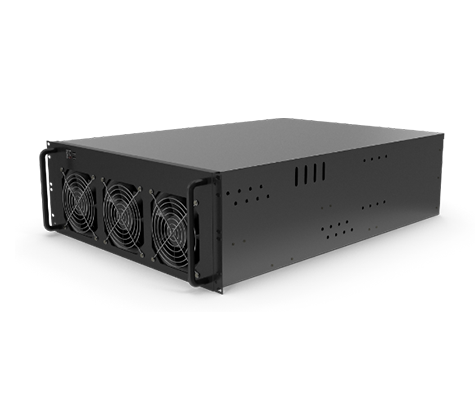
Every server contains components with their own updatable firmware, from CPU microcode to storage controllers to the BMC. BMCs run independently of the host operating system and can be managed over the network. NSA and CISA have warned that a compromised BMC lets attackers persist, disable protections such as Secure Boot and move through the network without being seen by host-based tools.
Network and Edge
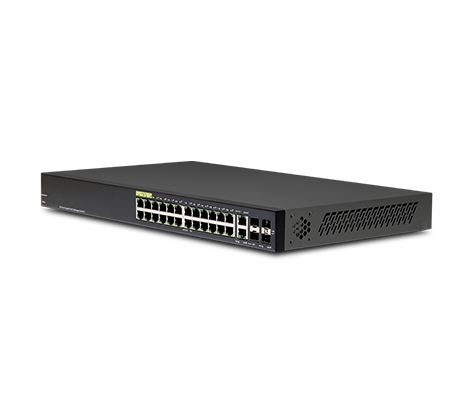
Firewalls, VPN gateways, routers, switches and load balancers sit on the network perimeter and connect to nearly everything inside it. They run specialized operating systems such as Cisco IOS, Fortinet FortiOS and F5 TMOS that standard security tools do not support. A compromised edge device gives an attacker initial access without phishing anyone.
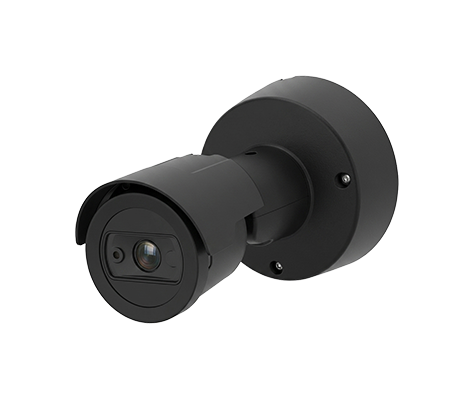
Enterprise IoT
IP cameras, wireless access points and other connected devices are deployed in large numbers across offices, branches, warehouses and data centers. They are trusted by the networks around them, rarely patched on a schedule, and invisible to EDR. A compromised camera or access point can support reconnaissance or become a foothold inside the network.

The Eclypsium Infrastructure Assurance Platform covers servers, network and edge devices and enterprise IoT in one place, with no agent required on network appliances.
Inventory hardware and supply chain risk.
Build a component-level inventory of every device, check firmware against a knowledgebase of over 30 million known-good device binaries, and find vulnerable, counterfeit and end-of-life devices.
Monitor your entire device fleet.
Verify integrity against known-good baselines and detect indicators of compromise, configuration drift and persistent attacks that survive reboot, reimage and patching.
Patch and protect devices.
Find vulnerabilities and insecure configurations, see which are known to be exploited, and automate firmware updates across vendors.